
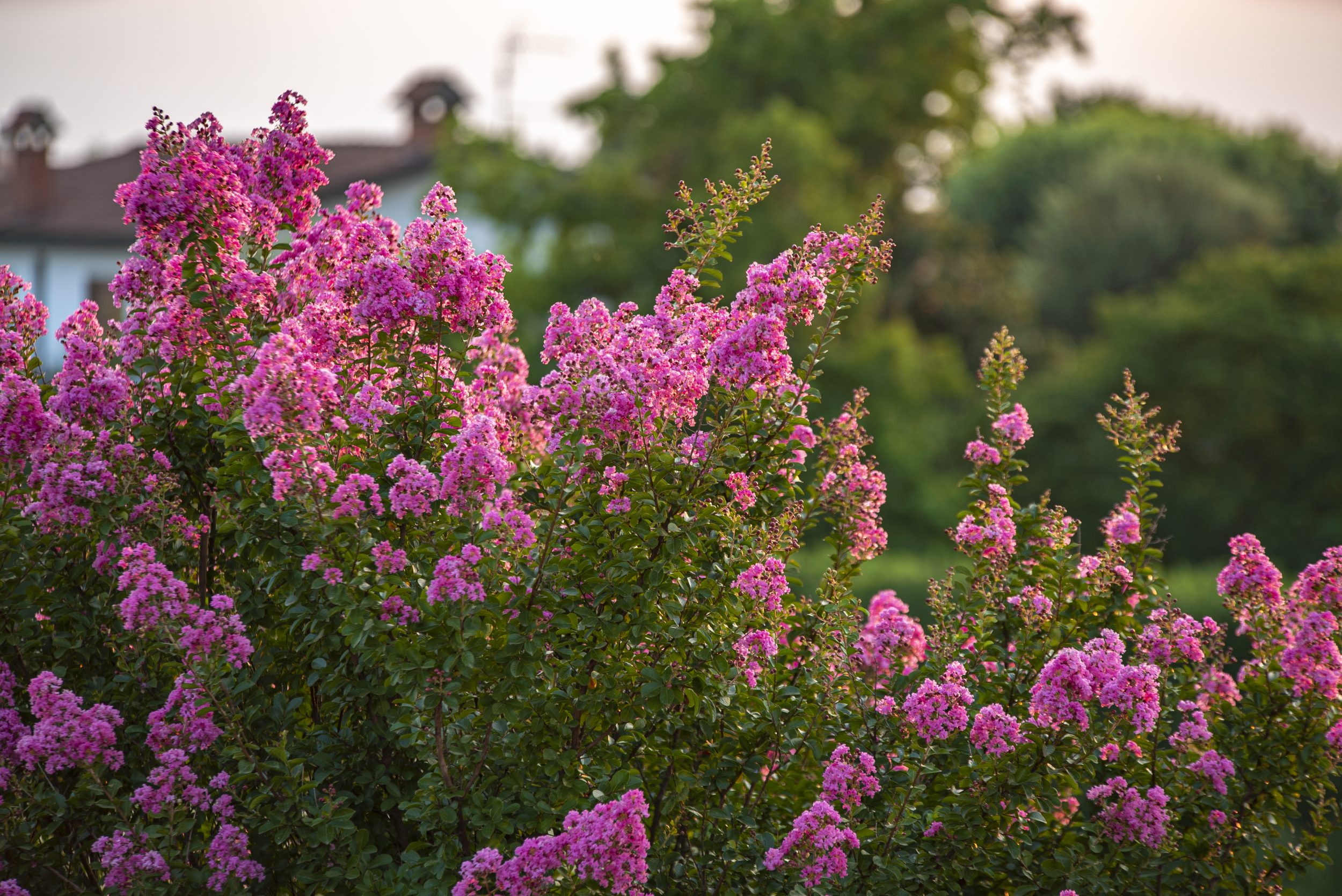
If you drive through any residential neighborhood or commercial office park in the Lowcountry during the late winter, you will likely witness a horticultural crime in progress. It is a phenomenon affectionately (or perhaps not so affectionately) known as “Crape Murder,” and it involves the aggressive, blunt topping of Crape Myrtle trees. At Oaktree Landscaping, we believe that your landscape is an investment that should grow in value and beauty every year, yet this specific pruning practice does exactly the opposite by compromising the structural integrity and aesthetic grace of one of the South’s most iconic trees. Our mission is to provide our residential and commercial clients with the expert knowledge required to maintain a landscape that thrives, rather than one that merely survives. Proper pruning is not just about aesthetics; it is about the long-term health of the plant and the safety of your property. In this guide, we will break down exactly why “Crape Murder” is a mistake and how you can ensure your trees are pruned for maximum bloom and structural strength.
Understanding the “Crape Murder” Phenomenon
The term “Crape Murder” refers to the practice of cutting Crape Myrtles back to large, unsightly stubs, often at a uniform height every single year. Many property owners and even some less-experienced landscaping crews perform this because they believe it will result in more blooms or keep the tree at a manageable size. However, according to experts at the Clemson University Cooperative Extension, this practice leads to weak, spindly new growth that cannot support the weight of the flowers, causing the branches to droop or snap during summer storms. Furthermore, topping a tree creates large wounds that serve as entry points for decay and various pests, significantly shortening the lifespan of the specimen. Statistically, trees that are properly pruned rather than topped have a much higher resilience to environmental stressors and require less corrective maintenance over time. By avoiding this aggressive “hacking,” you allow the tree to develop its naturally beautiful, exfoliating bark, which is one of the most desirable winter features of the species.
The Science of Proper Pruning for Health and Bloom
Properly pruning a Crape Myrtle requires a surgical approach rather than a blunt one, focusing on the “Three Ds”: dead, damaged, or diseased wood. Instead of cutting across the main trunks, a professional arborist or high-quality landscaper will use thinning cuts to remove entire branches back to the point of origin or to a lateral branch. This technique encourages the tree to put its energy into its existing structure, resulting in stronger wood and larger, more vibrant flower clusters. Texas A&M AgriLife Extension research indicates that while topped trees might produce more individual flower panicles, the flowers are smaller and the overall health of the tree is significantly diminished. For our commercial clients, this is particularly important because weak branches can become a liability during high winds, potentially damaging parked cars or building structures. At Oaktree, we prioritize the “naturalistic” look, ensuring your trees complement the architecture of your home or business without looking like a row of hacked-off stumps.
Timing and Technique: When to Pick Up the Shears
Timing is everything when it comes to maintaining the health of your Crape Myrtles, as they bloom on new wood produced in the current growing season. The ideal time to prune is in late winter—specifically late January through February—before the new growth begins to emerge. Pruning too early in the autumn or early winter can stimulate new growth that will be immediately killed by the first frost, wasting the tree’s stored energy reserves. When we approach a pruning project, we start from the ground up, removing “suckers” that grow from the base and thinning out the interior of the canopy to improve air circulation. Improved airflow is a critical defense against powdery mildew, a common fungus that can devastate the appearance of your foliage during the humid Lowcountry summers. If you’re interested in more winter landscape tips, be sure to check out our recent post on Winterizing Your Lowcountry Irrigation System to keep your entire property protected.
Commercial vs. Residential: Why Professional Expertise Matters
For commercial property managers, the appearance of the landscape serves as the first impression for every client and tenant who enters the premises. A row of “murdered” Crape Myrtles looks neglected and unprofessional, whereas properly thinned trees signal a high-quality, well-managed facility. Residential homeowners also benefit from professional pruning, as it maintains the value of the property and prevents the need for expensive tree removal later in the plant’s life. We often see homeowners try to tackle this task themselves, only to realize that once a tree is topped, it can take years of “restorative pruning” to fix the structure. It is far more cost-effective to hire an expert once a year than to try and repair the damage caused by a single afternoon of incorrect cutting. You can learn more about how we handle large-scale commercial accounts by visiting our Commercial Services Page.
The Long-Term Benefits of Quality Tree Care
When you choose to prune correctly, you are investing in the “exfoliating” beauty of the Crape Myrtle, which reveals stunning shades of cinnamon, tan, and gray as the tree matures. This architectural interest is completely lost when a tree is topped, as the trunks become knotted with “knuckle” scars that never heal properly. Additionally, a healthy, well-pruned tree provides better shade and contributes to the local ecosystem by providing a sturdy platform for pollinators and nesting birds. At Oaktree Landscaping, we treat every tree as a living piece of art, ensuring that the natural canopy shape is preserved for decades to come. We also recommend pairing your tree care with a robust mulching strategy to retain moisture; read our guide on The Best Mulch for Bluffton Landscapes for more information. Our commitment to quality means we never take shortcuts, and we always prioritize the horticultural standards that keep the Lowcountry beautiful.
Conclusion: Let Your Landscape Reach Its Potential
The “Crape Murder” warning is not just a catchy phrase; it is an essential piece of advice for anyone who wants a landscape that stands the test of time. By avoiding aggressive topping and opting for professional thinning and structural pruning, you ensure that your Crape Myrtles remain the crowning jewels of your property. Whether you are managing a large commercial shopping center in Savannah or a private estate in Hilton Head, the experts at Oaktree Landscaping have the tools and the training to do the job right the first time. We understand the local climate, the specific needs of coastal flora, and the aesthetic standards our clients expect. Don’t let your trees become another statistic in the yearly cycle of improper pruning—let us help them grow into the magnificent specimens they were meant to be. Our team is ready to assess your landscape and provide a customized maintenance plan that fits your needs and budget.
Ready to stop the “Crape Murder” and give your trees the expert care they deserve?
Sign up for a free quote today and let Oaktree Landscaping’s professional team handle your pruning, maintenance, and design needs. We are dedicated to providing the highest quality service for residential and commercial properties throughout the Lowcountry.
Leave a Reply