
As the coastal breezes of the Lowcountry begin to lose their winter chill and the azaleas prepare their spectacular annual debut, every property owner in Savannah, Hilton Head, and Bluffton faces a critical window of opportunity. Spring is not merely a change in the weather; it is the most vital period for resetting the biological clock of your landscape to ensure health, vibrance, and resilience through the sweltering heat of the coming summer. At Oaktree Landscaping, we understand that for our residential and commercial clients, a “spring cleanup” is far more than a simple aesthetic refresh—it is a comprehensive horticultural intervention designed to protect your investment. A poorly managed transition from winter dormancy can lead to compacted soil, fungal outbreaks, and stunted growth that can plague a property for the remainder of the year. In this expert guide, we will walk you through the essential steps of de-thatching, debris removal, and the technical “waking up” process required to achieve a gold-standard landscape that stands out in your neighborhood or business district.
The Foundation of Growth: Clearing Winter Debris and Detritus
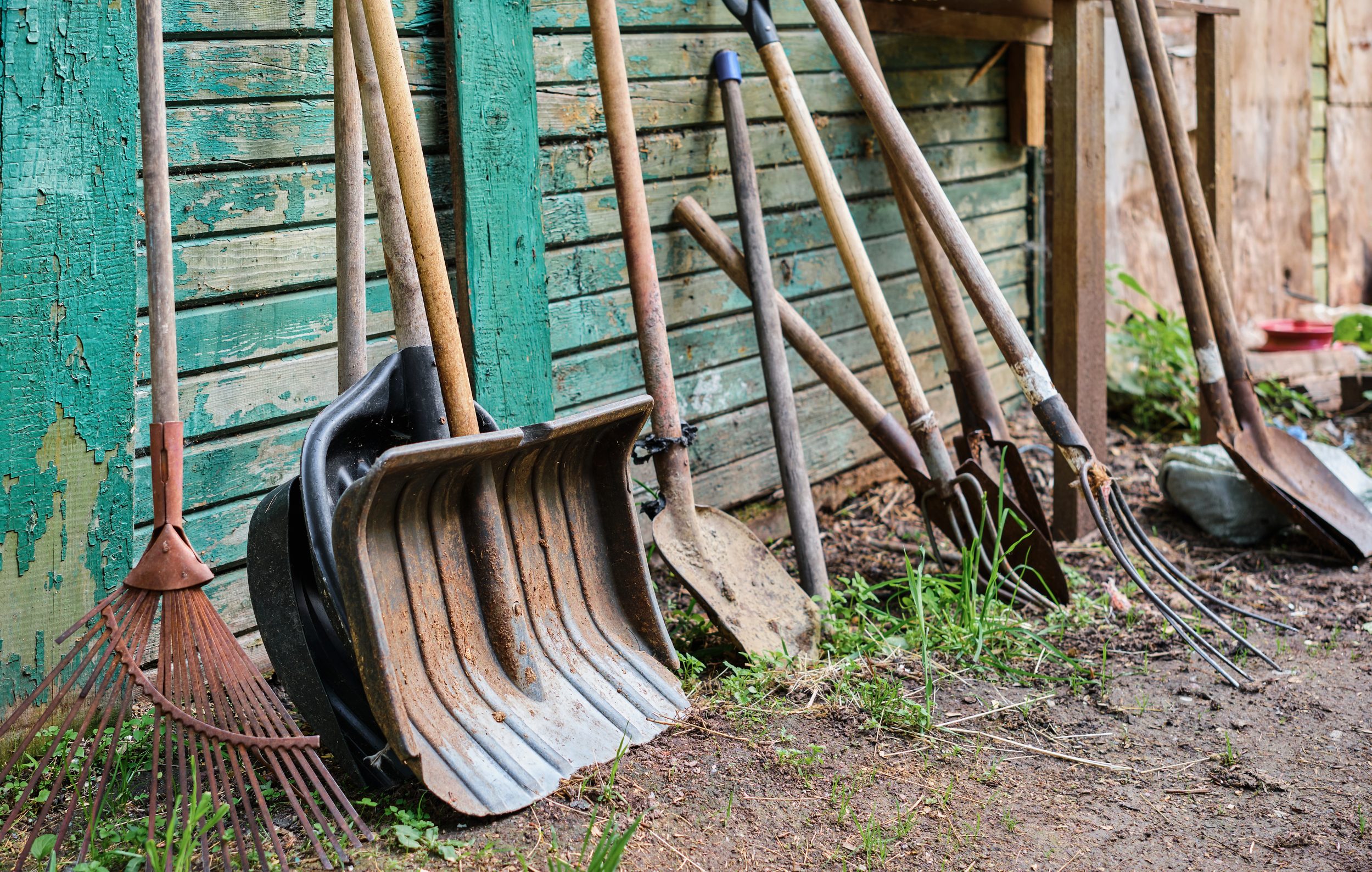
The first and most immediate step in any professional spring transition is the meticulous removal of accumulated winter debris, which often acts as a suffocating blanket for emerging turf and perennials. During the shorter days of winter, wind-blown leaves, fallen pine needles, and broken branches settle into the “thatch” layer of your lawn and the crevices of your flower beds, creating a damp environment that is a breeding ground for pests and pathogens. According to the University of Georgia Extension, leaving decaying organic matter on top of warm-season grasses like Bermuda or St. Augustine can lead to “Large Patch” (Rhizoctonia solani), a devastating fungal disease that thrives in the cool, moist conditions of early spring. Our crews prioritize a “deep clean” of the property, ensuring that every corner of the landscape is cleared so that sunlight and oxygen can reach the soil surface to stimulate nitrogen fixation. For our commercial clients, this phase is particularly crucial because it eliminates “trip hazards” and ensures that the property looks well-managed and professional from the moment the first spring buds appear. To see how this fits into a larger native plant strategy, read our post on Native Plants of the Lowcountry – Highlighting Sabal Palmettos and Live Oaks.
De-Thatching and Aeration: Letting the Soil Breathe
Once the surface is clear, we must turn our attention to the “hidden” layer of the lawn—the thatch—which is a tightly interwoven layer of living and dead stems, roots, and leaves that develops between the green vegetation and the soil surface. While a thin layer of thatch (less than half an inch) can insulate roots, an excessive buildup acts as a waterproof barrier, preventing vital nutrients and irrigation from reaching the root zone where they are needed most. Clemson University’s Home & Garden Information Center notes that excessive thatch is one of the primary reasons for “localized dry spots” and poor fertilizer response in Southern lawns. At Oaktree Landscaping, we utilize professional-grade vertical mowers or power rakes to de-thatch properties, followed by core aeration to relieve soil compaction caused by winter rains and foot traffic. This process creates direct channels for air and water to penetrate deep into the earth, encouraging the deep root growth necessary for drought resistance. This technical approach is a hallmark of our commitment to quality, ensuring that your grass isn’t just green on top, but healthy from the roots up. You can learn more about our specific turf management techniques on our Residential Services Page.
“Waking Up” the Yard: Fertilization and Pre-Emergent Strategies
The final phase of the spring cleanup involves the scientific “waking up” of the landscape through strategic nutrient application and weed prevention. As soil temperatures consistently reach 55–60 degrees Fahrenheit, the seeds of invasive weeds like crabgrass and sandspurs begin to germinate, making this the “zero hour” for applying pre-emergent herbicides. Statistically, property owners who apply pre-emergents in the early spring can reduce their mid-summer weed pressure by as much as 90%, significantly lowering the need for post-emergent chemical treatments later in the year. We combine this with a balanced, slow-release fertilizer tailored to the specific needs of Lowcountry soil, which often lacks essential micronutrients due to our sandy coastal composition. For our commercial partners, this proactive “wake up” call ensures that the property remains pristine and low-maintenance throughout the high-traffic summer season, allowing you to focus on your business rather than your weeds. If you are concerned about how your trees fit into this spring plan, don’t miss our guide on The “Crape Murder” Warning – How to properly prune Crape Myrtles.
Irrigation Calibration and Hardscape Inspection
A spring cleanup is incomplete without a full diagnostic check of your property’s life-support system: the irrigation grid. After months of being powered down or running on a minimal winter schedule, sprinkler heads can become clogged with silt, misaligned by mowers, or damaged by rare freezes, leading to “brown spots” and wasted water once the heat returns. We conduct a zone-by-zone audit to ensure 100% coverage and adjust timers to align with the South Carolina Department of Natural Resources water conservation guidelines. Simultaneously, we inspect hardscapes—including pavers, retaining walls, and commercial walkways—for any shifting or moss growth that occurred during the damp winter months. Cleaning and sealing these surfaces in the spring not only enhances curb appeal but prevents the long-term degradation caused by moisture penetration and root intrusion. Our expert eye catches these small issues before they become expensive repairs, embodying our customer-focused philosophy. For more information on system maintenance, check out our post on Winterizing and Re-activating Your Lowcountry Irrigation.
The Oaktree Standard: Quality and Consistency in Every Detail
At Oaktree Landscaping, we believe that the difference between a “good” yard and a “great” landscape lies in the details that most people never see. Our spring cleanup process includes edge-defining for beds, which creates a crisp, professional look, and the application of fresh, high-quality mulch to regulate soil temperature and suppress any remaining weed seeds. We use straightforward language with our clients because we want you to understand the “why” behind our work—whether it’s the specific height we set our mowers to during the first cut or the exact timing of our fertilization cycles. We serve a diverse clientele, from high-end residential estates in Sea Pines to massive industrial REIT portfolios in Savannah, and our commitment to quality remains identical across every acre. By choosing a professional spring cleanup, you are ensuring that your property is not just “waking up,” but thriving with a competitive edge. To see the full scope of our capabilities for business owners, please visit our Commercial Services Page.
Conclusion: Setting the Stage for Summer Success
The effort you put into your landscape during these few weeks of spring will dictate the health and beauty of your property for the next six months. By following a rigorous checklist that includes de-thatching, debris clearing, and precision fertilization, you are building a resilient foundation that can withstand the intense Lowcountry sun and the pressure of peak growing season. At Oaktree Landscaping, we take the guesswork out of “waking up” your yard, providing the expert labor and horticultural knowledge required to achieve elite results. We are proud to be the trusted partner for homeowners and property managers across the region, delivering confidence and quality in every service we provide. Don’t let the spring window pass you by—ensure your landscape is prepared to reach its full potential this year with a professional touch. Our team is ready to help you transition into the most beautiful season of the year with a straightforward plan and exceptional execution.
Is your property ready for the spring “wake up” call?
Sign up for a free quote today and let Oaktree Landscaping’s expert team handle your spring cleanup, de-thatching, and seasonal fertilization. We provide high-quality, straightforward solutions for residential and commercial properties throughout the Lowcountry.
Leave a Reply