
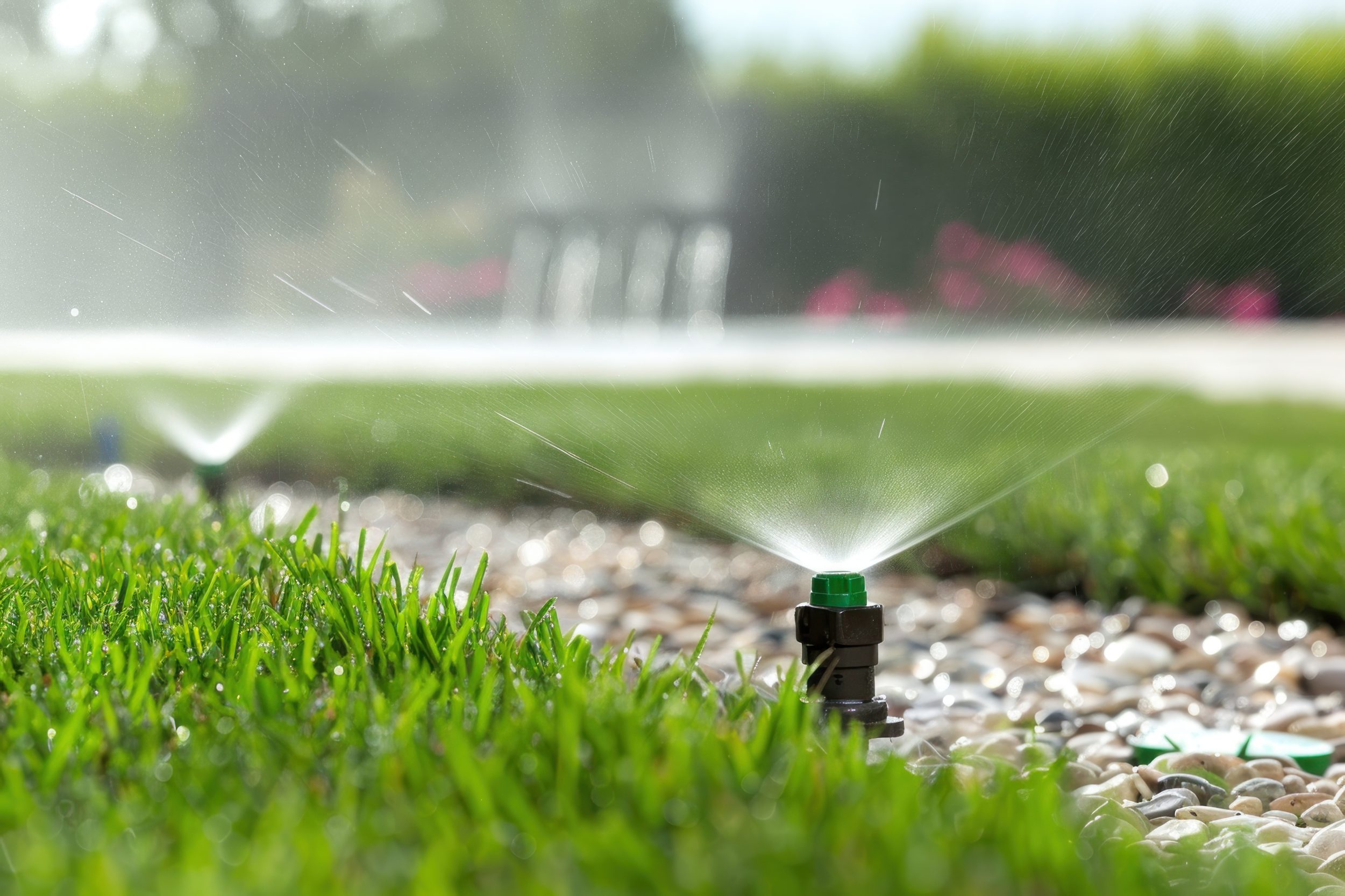
As the vibrant blooms of spring begin to emerge across the Lowcountry, from the historic estates of Savannah to the coastal developments of Bluffton and Hilton Head, the biological demand for water on your property is shifting into high gear. At Oaktree Landscaping, we recognize that your irrigation system is the literal life-support network for your landscape investment, yet it is often the most neglected component of property maintenance during the transition months. A professional irrigation system audit is not merely a “luxury check-up”; it is a critical diagnostic process designed to identify hidden inefficiencies, subterranean leaks, and mechanical failures that can lead to catastrophic plant loss during our intense Southern dry spells. For our residential and commercial clients, a proactive audit ensures that every drop of water is delivered with surgical precision, protecting both your horticultural assets and your utility budget. Our commitment to quality means moving beyond “plug and play” settings to create a high-performance, weather-responsive system that provides the confidence and reliability you deserve. In this guide, we will detail the essential steps of a spring irrigation audit and explain why professional calibration is the secret to a resilient, evergreen landscape.
The Cost of Inefficiency: Why a Spring Audit is a Financial Necessity
The financial and environmental stakes of a poorly maintained irrigation system are significantly higher than most property owners realize, especially in a region where water rates continue to climb. According to the Environmental Protection Agency (EPA) WaterSense program, an irrigation system that has a leak as small as the tip of a ballpoint pen can waste as much as 6,300 gallons of water per month. In the sandy soils of the Lowcountry, subterranean leaks can go undetected for months because the water drains away from the surface, leaving the property owner with a massive utility bill and no visible “wet spot” to signal the crisis. Beyond the direct cost of wasted water, “over-watering” caused by broken valves or misaligned heads creates a primary breeding ground for fungal pathogens like Large Patch and Pythium root rot. At Oaktree Landscaping, we use ultrasonic leak detection and flow-rate analysis to ensure that your system is airtight and operating at peak efficiency before the humidity and heat of summer arrive. To prepare your turf for this increased water efficiency, we recommend pairing your audit with our Spring Cleanup Checklist to clear debris away from your sprinkler heads.
Mechanical Integrity: Inspecting Heads, Valves, and Backflow Preventers
A comprehensive audit begins with a zone-by-zone physical inspection of every mechanical component, from the backflow preventer at the main line to the smallest micro-drip emitter in your flower beds. Over the winter, soil shifting, root intrusion, and even the weight of lawnmowers can damage pop-up heads, causing them to leak at the base or fail to retract, which creates a significant “trip hazard” and a point of mechanical failure. The University of Florida IFAS Extension notes that misaligned sprinkler heads—those spraying sidewalks, driveways, or building facades—can waste up to 30% of a zone’s water output through evaporation and runoff. We manually adjust each nozzle to ensure “head-to-head” coverage, a technical standard that ensures no “brown spots” develop during the peak of a dry spell. For our commercial clients, this phase of the audit is essential for protecting hardscape assets, as constant spray on parking lots or brickwork can lead to unsightly mineral staining and premature erosion of mortar joints. If you are managing a property with large historic trees, please see our guide on Native Plants of the Lowcountry to understand how to adjust irrigation zones for mature Live Oaks.
Timer Calibration and Seasonal Scheduling Science
Perhaps the most important aspect of a professional audit is the recalibration of the irrigation controller to align with the actual evapotranspiration rates of the current season. Many homeowners and facility managers make the mistake of leaving their timers on a “set it and forget it” schedule, which often leads to “under-watering” in the spring and “over-watering” in the winter. Clemson University’s Home & Garden Information Center emphasizes that deep, infrequent watering is the key to developing the resilient root systems required for Southern turfgrasses like Bermuda and St. Augustine. We program your system to deliver water in the early morning hours—typically between 4:00 AM and 8:00 AM—to minimize wind drift and evaporation while ensuring the foliage has time to dry before the sun goes down, which prevents the spread of disease. For an expert comparison of which grass types require the most water, read our post Turf Wars: Bermuda vs. St. Augustine. Our straightforward approach to programming ensures you have a high-quality schedule that respects both local water ordinances and the biological needs of your plants.
Technology Integration: Rain Sensors and Smart Controllers
In 2026, the technology available for irrigation management has reached an elite level, and Oaktree Landscaping is at the forefront of integrating “Smart” solutions into our residential and commercial portfolios. Traditional rain sensors often fail or become clogged with debris, leading to systems that run during a tropical downpour, which is both a waste of money and a poor reflection on the property’s management. We recommend upgrading to Wi-Fi-enabled smart controllers that pull real-time weather data from local stations, automatically suspending watering cycles when rain is forecasted or when soil moisture sensors indicate that the ground is already saturated. Statistics from the Irrigation Association show that smart controllers can reduce outdoor water use by an average of 20% to 40% while actually improving the health of the landscape. For our commercial partners, these systems provide a “Dashboard” view of multiple sites, allowing us to catch high-flow alerts (which indicate a major pipe burst) in real-time before property damage occurs. Learn more about our technical approach to large-scale management on our Commercial Services Page.
Moisture Retention: The Relationship Between Irrigation and Mulch
An irrigation system does not work in a vacuum; its effectiveness is heavily influenced by the quality and depth of the ground cover surrounding your plants. If your mulch is too thin, the water delivered by your system will evaporate before it can penetrate the root zone; if it is too thick (the “mulch volcano” effect), it can act as a waterproof thatch that sheds water away from the plant entirely. During our audit, we assess the “percolation” of water through your beds to ensure that your irrigation timing is actually reaching the soil. Texas A&M AgriLife Extension research confirms that organic mulches like pine straw and shredded hardwood are vital partners in irrigation efficiency. We provide expert advice on the best materials for your specific lot; check out our guide on Mulching: More Than Just Looks for a full comparison. By aligning your irrigation delivery with a professional mulching strategy, Oaktree ensures a high-quality, customer-focused result that lasts all season.
The Professional Edge: Confidence for the Dry Season
At Oaktree Landscaping, we believe that quality is found in the details that others skip, such as checking for “clogged filters” in drip lines and testing the “battery backup” on your controller. We take a straightforward, expert approach to explaining the findings of our audit, providing you with a clear report on any necessary repairs or suggested upgrades. Whether you are a homeowner preparing for a summer of backyard entertaining or a commercial manager responsible for a high-traffic retail center, our goal is to give you total confidence in your property’s resilience. We also ensure that your irrigation isn’t inadvertently creating a habitat for pests; for example, leaky heads often attract stinging insects. Read our post on Fire Ant Prevention to see how moisture management plays into pest control. Trusting Oaktree with your irrigation means trusting a team that understands the intersection of technology, biology, and coastal weather. For more details on our personalized care, visit our Residential Services Page.
Conclusion: Protect Your Investment Before the Heat Arrives
A professional irrigation system audit is the single most effective way to “weather-proof” your property before the inevitable dry spells of the Lowcountry summer take hold. By identifying leaks, aligning sprinkler heads, and calibrating smart timers, you are ensuring that your landscape remains a vibrant, high-value asset rather than a liability. At Oaktree Landscaping, we take pride in delivering straightforward, expert solutions that prioritize both environmental stewardship and our customers’ bottom lines. Don’t wait for your grass to turn brown or your utility bill to skyrocket—take a proactive step today to ensure your system is operating at peak performance. Our team is ready to provide the high-quality diagnostic and repair services you need to enjoy a lush, healthy landscape with total peace of mind. Let us help you “wake up” your irrigation system and prepare for a successful, beautiful growing season.
Is your irrigation system ready to handle the Lowcountry summer, or are you wasting money on hidden leaks?
Sign up for a free quote today and let Oaktree Landscaping’s expert team perform a comprehensive irrigation audit, leak check, and timer calibration for your property. We offer high-quality, professional solutions for residential and commercial customers throughout Savannah, Bluffton, and Hilton Head.
Leave a Reply